
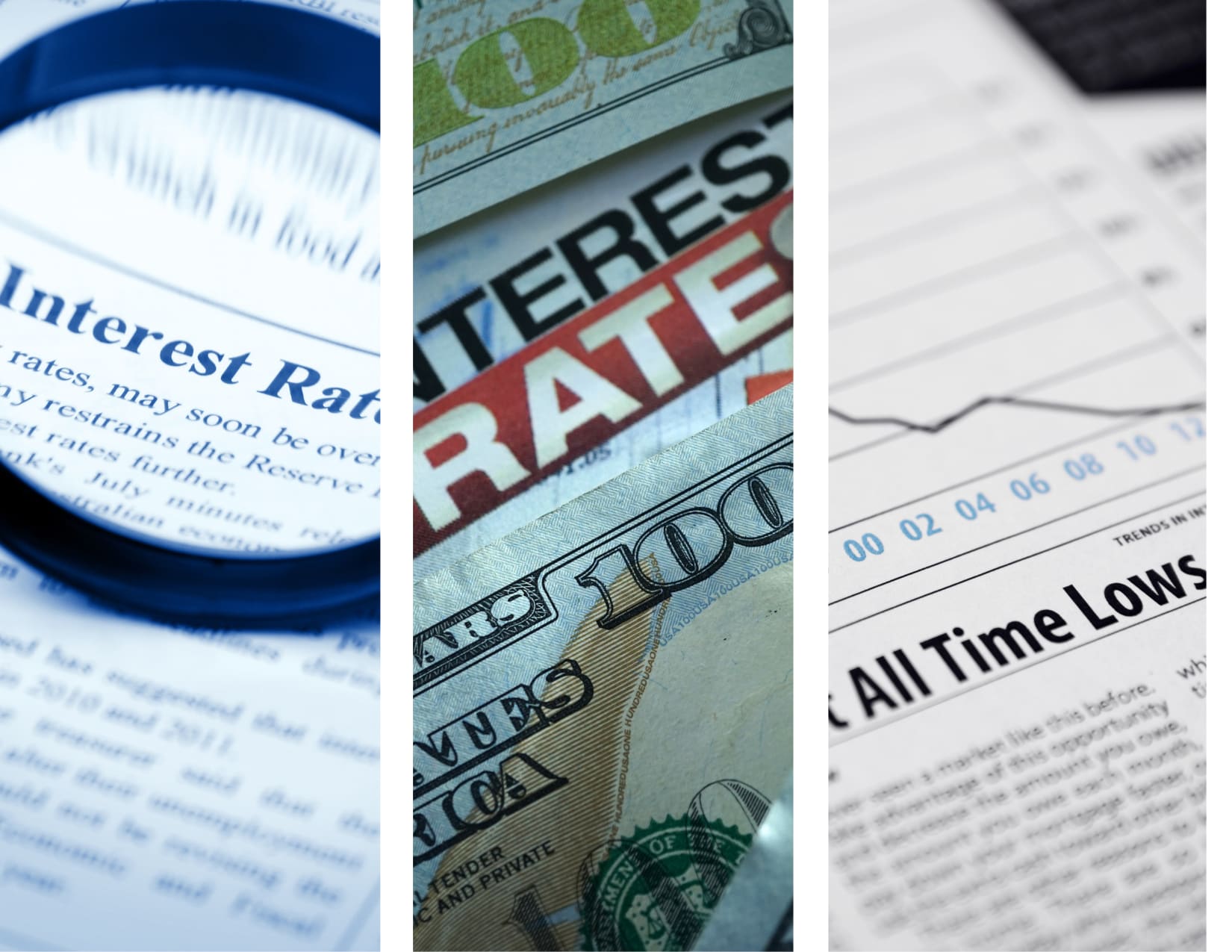

Interest rate hike? What’s the big fuss about?
This is the first time the Federal Reserve has increased its interest rates since 2018. For the last few years, mortgage rates set new all time lows. These ultra-low rates benefited home buyers looking to purchase a property and also allowed homeowners to refinance into low-interest mortgages.
On March 16, the Fed’s policymakers collectively signaled that they expect to boost their key rate up to seven times this year, raising its benchmark rate to between 1.75% and 2% by year’s end. The officials expect four additional hikes in 2023, which would leave their benchmark rate near 3%.
Credit card interest rates and the costs of an auto loan will also likely move up. Savers may receive somewhat better returns, depending on their bank, while returns on long-term bond funds will likely suffer.
Here are some questions and answers about what the rate hikes could mean for consumers and businesses:
I’m considering buying a house. Will mortgage rates go steadily higher?
According to Freddie Mac, the average rate on a 30-year mortgage has spiked almost a full percentage point since late December to 4.42% due to faster inflation and strong U.S. economic growth. Many buyers may risk the possibility of getting priced out of their market if they wait too long and interest rates continue to rise. Their interest rate can heavily affect their monthly mortgage payment and in return can affect a home buyer's purchasing power. On the other hand, some buyers will get FOMO on the still low interest rates and get more aggressive with buying. It might be in your best interest to lock in your mortgage rate while they're still considered to be historically low.
How will that affect the housing market?
Interest rates are rising and will continue to rise in response to the growing demand for banking loans and housing. While not a “bad” thing, it can be discouraging to home shoppers who have been captivated by the low-interest-rate environment of the past several years. Economists say that higher mortgage rates will discourage some would-be purchasers and could at least slow down the appreciation of average home prices, which have been soaring at about a 20% annual rate. One thing to consider, many of the buyers winning bidding wars right now are generally healthy financially. These kind of buyers will continue to be the top competitors in bidding wars despite interest rates hikes. Unfortunately the buyers that will be affected most are first time buyers, low down payment buyers, and buyers close to budget.
It's difficult to know with certainty how Americans will respond to these changes, and indeed what the consequences of an interest rate hike will be. Rising interest rates will affect the housing market in one way or another. Now is a good time to consider how those changes will affect your plans to buy a home in the coming years. If you're on the fence, it might be time to act. If you've already purchased, refinance and lock in lower rates while they're around. Those who have planned appropriately for these fluctuations will likely fare better than those who have been blindsided by the changes.
Not all areas are equal. Some areas in the country like South Florida are dealing with extreme lack of inventory and large influxes of new residents. Its hard to see demand in these areas change much with all of the growth going on.
There is no reason to believe that anything as significant as the 2008 market crash is coming. Generally, Americans are in better shape financially, homeowners have strong equity positions, and excessive borrowing is not as bad as it was in 2000-2008.
If you would like assistance figuring out what to do in this complex market, feel free to contact one of our Real Estate Consultants.
_____________________________________________________________
Herson Richiez
(954) 829-6073
Herson@BridgestoneRE.com
&
Emily Lopez
(786) 340-4593
Emily@BridgestoneRE.com
Open Houses This Weekend